
-
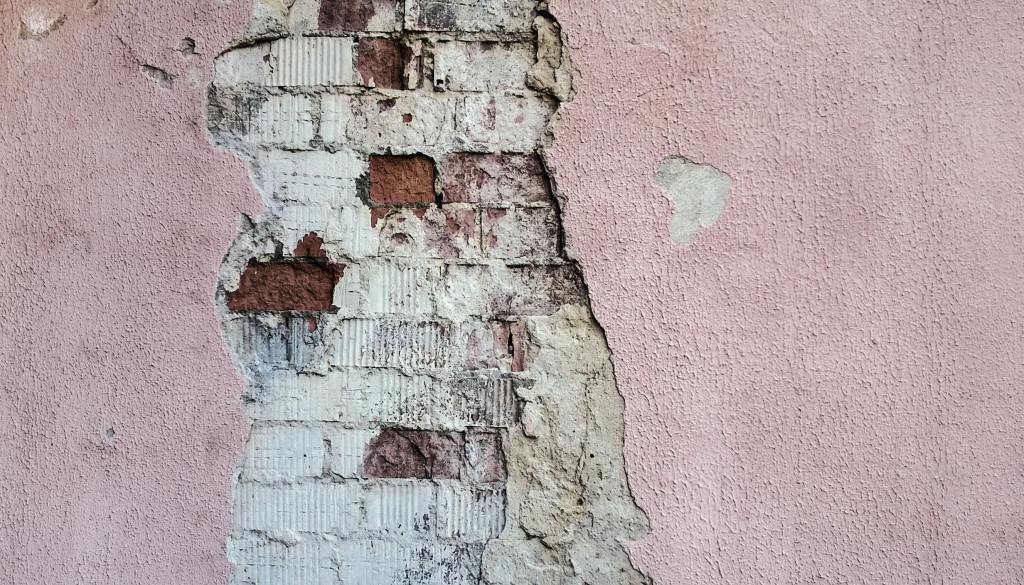 Continue reading →: Breaking Through Brick Walls in Your Genealogy Research
Every genealogist, whether novice or experienced, eventually encounters a “brick wall” – a point in their research where progress seems impossible. These challenges can be frustrating but also present an opportunity for deeper learning and more profound discoveries.
-
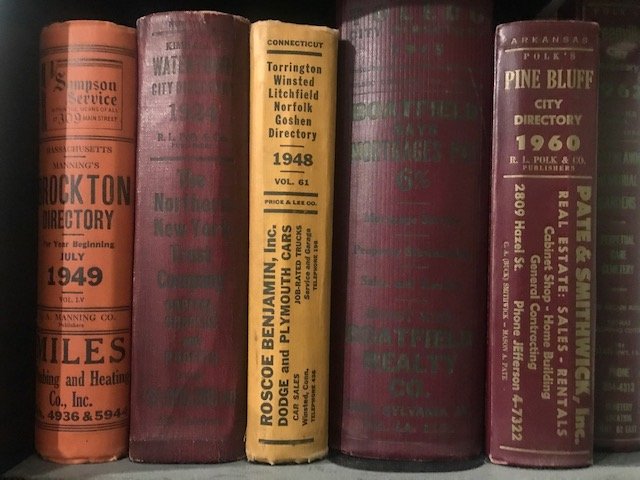 Continue reading →: Accessing and Utilizing City Directories for Genealogy
Before the advent of telephone directories, city directories were published to list residents, their addresses, occupations, and often additional information such as widow status or business ownership.
-
 Continue reading →: Using School and Yearbook Records to Trace Ancestry
While birth, marriage, and death records form the backbone of genealogical data, school records – including yearbooks – offer a unique glimpse into the daily lives and social contexts of our ancestors during their formative years. These records can enrich your family history with personal stories, photographs, and details of…
-
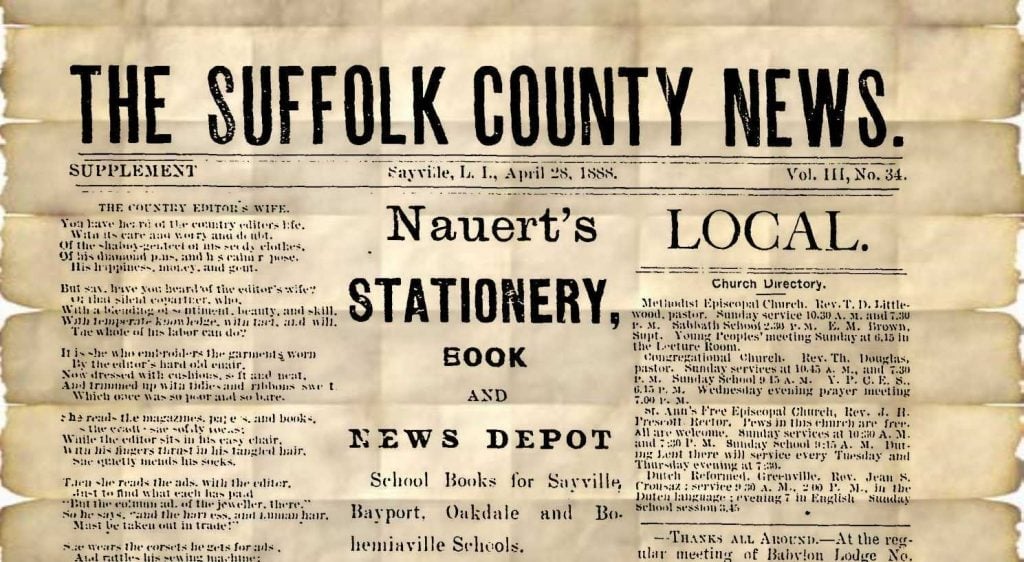 Continue reading →: Finding Ancestors in Newspaper Archives
Newspaper archives are a treasure trove for genealogists, offering a unique glimpse into the daily lives, communities, and historical contexts of our ancestors. From birth announcements to obituaries, from marriage notices to social events, newspapers captured the minutiae of daily life that official records often overlook.
-
 Continue reading →: Church Records: A Goldmine for Genealogists
In the quest to trace ancestral lines and flesh out family histories, genealogists often turn to a variety of sources, from vital records to census data. Yet, one of the richest resources for such research—church records—can sometimes be overlooked. These documents, ranging from baptismal registers to burial records, offer a…
-
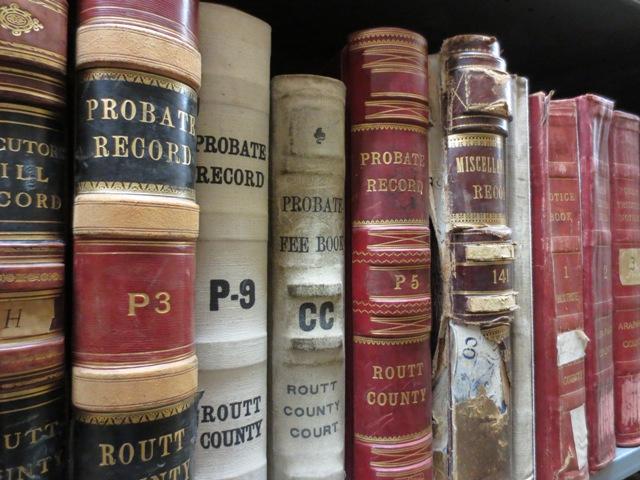 Continue reading →: The Role of Wills and Probate Records in Tracing Ancestry
Wills and probate records are among the most revealing documents in genealogical research, providing a window into ancestors’ lives, relationships, and personal circumstances. These records can offer insights that go far beyond the mere distribution of assets, shedding light on family dynamics, social status, and the personal values of ancestors.
-
 Continue reading →: Land Records and Property Histories in Genealogical Research
Land records and property histories are often overlooked gems in genealogical research, offering a wealth of information that can illuminate your ancestors’ lives, economic conditions, and movements.
-
 Continue reading →: Vital Records: Uncovering Births, Marriages, Deaths, and Divorces
Vital records are the cornerstones of genealogical research, providing the foundational data that helps genealogists trace lineage, confirm relationships, and understand the life events of ancestors. Comprising documents such as birth certificates, marriage licenses, death certificates, and divorce decrees, these records offer not only the basic details of our ancestors’…
-
 Continue reading →: Using Immigration Records to Find Your Ancestors
For many genealogists, the journey of tracing their family’s roots involves crossing oceans and sifting through the records of ancestors who immigrated to new lands. Immigration records, from ship manifests to naturalization documents, hold the keys to unlocking the stories of those journeys and the lives that were built in…
-
 Continue reading →: Exploring Military Records to Trace Your Ancestors
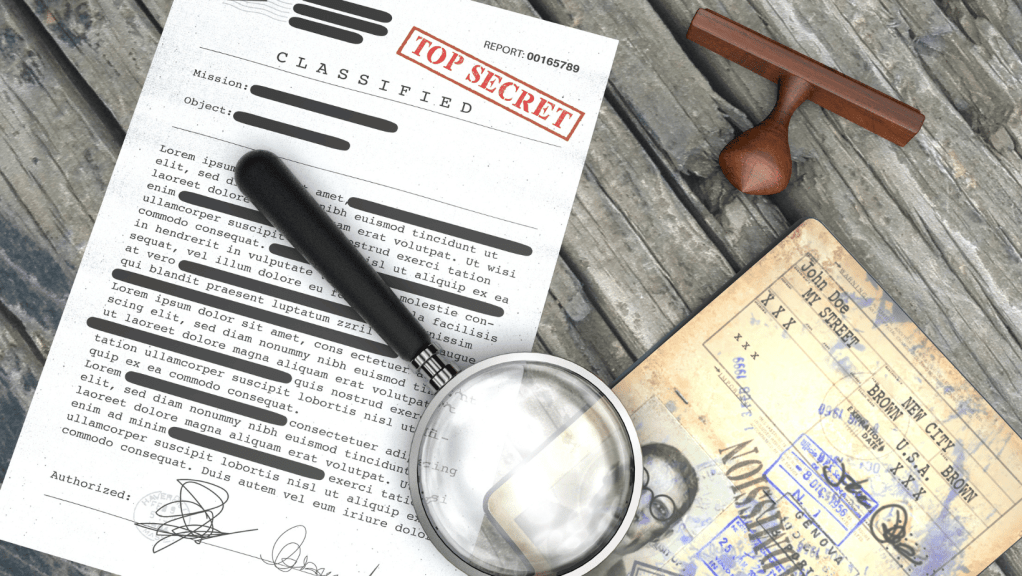
Military records are a treasure trove for genealogists, offering a wealth of information that can provide insights into an ancestor’s life, experiences, and the times they lived through. Whether your ancestor served in a major conflict or during peacetime, military records can reveal details about their service, family, and even…
Hello,
I’m Jackie

Welcome to my blog where it is my intention to help you with all the information you need to get started researching your genealogy. I have been researching my own family history for over 20 years, and hope to help you find what you need to learn more about your family as well. I invite you to join me on a journey of learning and realization. Let’s get searching!
Let’s connect
Join the fun!
Stay updated with new posts and information by joining my newsletter below.
 Jackie's Genealogy