
More Than Just a Hobby
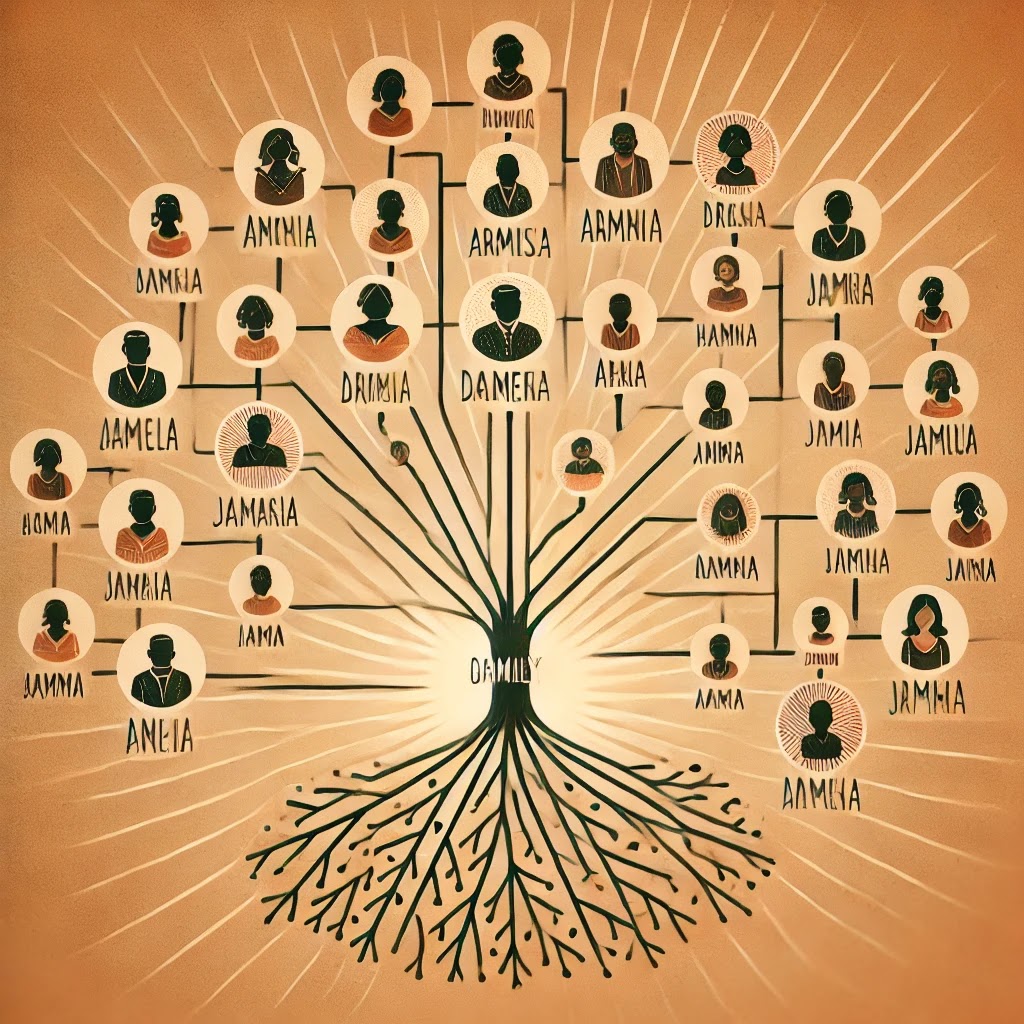
Genealogy is more than just a hobby or an academic pursuit—it can be a powerful tool for reuniting families that have been separated by time, distance, and circumstance. Whether due to migration, estrangement, or even historical events like wars or slavery, families can become fragmented over generations. However, genealogy research offers a way to bridge the gaps, uncover missing connections, and bring long-lost relatives together. This blog post explores how genealogy plays a crucial role in reuniting families, offering insights, guidance, tips, and resources for both novice and experienced genealogists.
Why Genealogy Is Important in Family Reunification
Genealogy has the power to trace the intricate web of familial connections across generations and continents. It is a way to find family members who may have been lost to time, migration, or personal circumstances. In some cases, genealogy can also help re-establish bonds that were severed by historical events, cultural shifts, or political changes.
Key Benefits of Genealogy in Reuniting Families
- Discovering Lost Relatives: Genealogical research can identify and connect distant family members who may have been unaware of each other’s existence.
- Filling in Family History Gaps: Sometimes families have incomplete or forgotten histories. By uncovering and documenting ancestral records, genealogy helps to piece together lost information and context.
- Connecting Across Generations: Genealogy enables descendants to connect with their ancestors’ pasts, building a sense of family continuity and helping future generations feel closer to their heritage.
- Healing Emotional Wounds: In cases of estrangement or family conflict, genealogy can help facilitate reconciliation by connecting people with a shared history and understanding.
Getting Started with Genealogical Research
Begin with Family Information
The first step in using genealogy to reunite families is to gather as much information as possible from family members. Talk to living relatives, especially older ones, and document oral histories, names, dates, places, and events. Family documents like old letters, photographs, and heirlooms can offer important clues.
Use Online Genealogy Databases
There are several online databases that make it easier to connect with distant relatives and access vital records. Here are some top resources:
- Ancestry.com: Offers an extensive collection of birth, marriage, death, and immigration records, along with the ability to build family trees and connect with others researching similar ancestry (Ancestry.com).
- FamilySearch.org: A free service provided by The Church of Jesus Christ of Latter-Day Saints that offers access to millions of genealogical records, including vital records, census data, and more (FamilySearch.org).
- MyHeritage: Provides access to historical records, family tree-building tools, and DNA testing services to connect with genetic relatives (MyHeritage.com).
Organize and Document Your Research
Document all the information you gather and organize it systematically. Use digital tools like Family Tree Maker or software like Gramps to build and organize your family tree. Cloud storage services like Google Drive or Dropbox can also be helpful for storing research documents and photos.
Consider DNA Testing
DNA testing has become an essential tool in modern genealogical research, especially for identifying living relatives. Companies like 23andMe, AncestryDNA, and MyHeritage DNA can help you connect with genetic relatives who have also submitted their DNA for analysis. This can be particularly useful if you’re looking for lost relatives or trying to trace family lines back across generations.
Embrace Oral History
Sometimes, the most valuable information comes from family stories. If your search hits a dead end in documents, oral histories might uncover the connections that official records don’t show. Interview older relatives, visit family reunion events, and record any details you can find about your family’s migration, historical events, or experiences.
Reconnecting with Long-Lost Family Members
Once you’ve gathered enough data, you can begin reconnecting with lost relatives:
Use Social Media
Social media platforms like Facebook, LinkedIn, and Instagram can be invaluable for reaching out to distant relatives. Many genealogy groups on Facebook are dedicated to specific regions or ethnicities. This can provide you with direct access to others researching the same family lines or from the same geographic area.
Join Genealogical Forums
Genealogical forums like RootsChat (RootsChat.com) and Genealogy.com allow you to post queries and interact with other genealogists. This is especially useful if you’re looking for distant relatives or researching a family name.
Share Your Findings
Once you find distant relatives, share your findings with them. You can exchange family trees, historical records, and photos to strengthen the bonds between family members. Hosting a family reunion or even an online event can also be a meaningful way to unite extended family branches.
Participate in Family Tree Collaboration Projects
Some online genealogical platforms allow users to collaborate on family tree projects. This is an excellent way to connect with other researchers who might have valuable information about shared ancestry.
Overcoming Barriers in Family Reunification
Handling Sensitive Family History
Family history research may reveal estrangements, conflicts, or secrets that were buried in the past. When uncovering these aspects, approach the situation with sensitivity. Remember, the goal is to reconnect families, not to create discord. If emotional wounds arise, consider professional mediation or counseling for those involved.
Dealing with Record Gaps
Sometimes, official records are sparse or incomplete, especially when families have moved frequently or faced adversity. In these cases, you may need to rely more heavily on oral history, newspapers, or even community-based archives. Sometimes, using DNA results to build a connection with a distant relative can help fill in gaps left by missing documentation.
Reaching Out to Community Archives
Many local archives or historical societies have information about families that may not be readily available online. Libraries, city halls, and local historical societies may have information on property records, local newspapers, or even family histories published by other individuals in the area.
Inspiring Family Reunions
As your research progresses and you begin to connect the dots between distant relatives, the ultimate goal is often to reunite family members who may have lost touch over time. Here are some inspiring ideas for making those connections meaningful:
- Host a Virtual Family Reunion: Especially for families separated by geography, virtual reunions can allow family members to meet face-to-face via video calls, share their family stories, and bond over shared heritage.
- Create a Family History Book: Compile the family history into a beautifully designed book that you can share with relatives. Include photographs, stories, and genealogy charts to celebrate your family’s story.
- Start a Family History Website or Blog: Share your discoveries with family members and others through a dedicated website or blog. This can serve as a digital archive and a resource for others researching the same lineage.
Conclusion
Genealogy is not just about tracing names and dates—it’s about uniting families, uncovering stories, and preserving legacies. Whether you are reuniting with lost relatives, understanding your roots, or healing old wounds, the power of genealogy to bring families back together is truly remarkable. By following the steps outlined in this guide, you can embark on your own journey to reconnect with your family, and discover the beautiful stories that bind you across time. Remember, genealogy isn’t just about looking into the past; it’s about strengthening the future of your family by bringing people together, no matter where they are in the world.
Useful Resources:

 Jackie's Genealogy
Leave a comment