
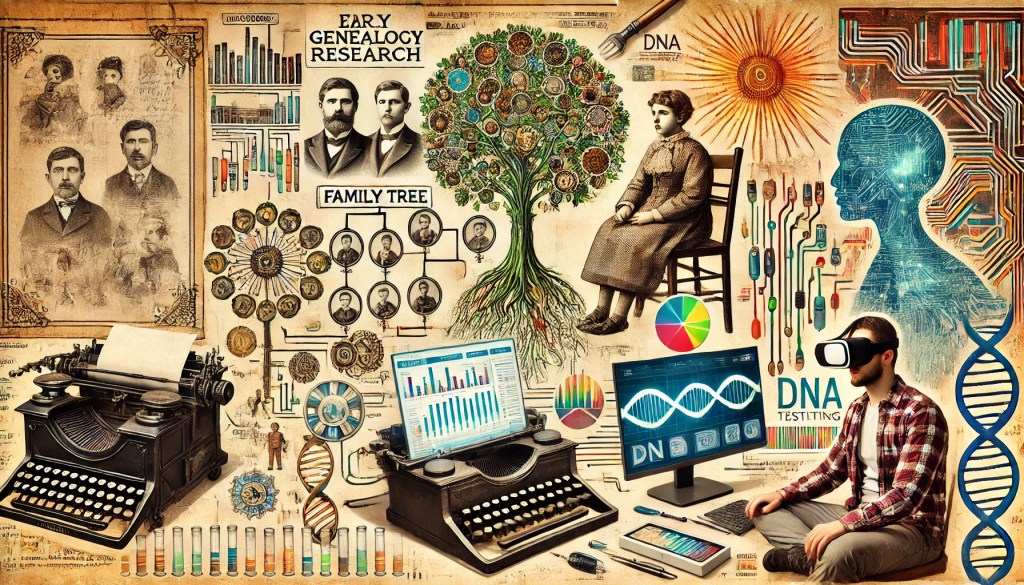
Genealogy, the study of family ancestries and histories, has captivated many over the years. The desire to uncover one’s roots and connect with the past has driven both novice and experienced genealogists to delve deeper into their family histories. Over the years, the evolution of genealogy software has significantly transformed this quest, making it easier, more efficient, and increasingly fascinating. In this blog post, we’ll explore the past, present, and future of genealogy software, offering insights, guidance, tips, and inspiration for genealogists at all levels.
The Past: From Paper Trails to Early Software
The Paper Era
Before the advent of technology, genealogists relied heavily on paper records. Family Bibles, handwritten letters, local archives, and oral histories were the primary sources of information. Research was a laborious process, often involving travel to distant libraries, courthouses, and cemeteries.
Early Genealogy Software
The 1980s and 1990s marked the beginning of genealogy software. Programs like Personal Ancestral File (PAF) and Family Tree Maker emerged, allowing users to digitize their family trees. These early software solutions were groundbreaking, offering features like:
- Data Organization: Centralized storage for names, dates, and relationships.
- Charts and Reports: Generation of family trees and pedigree charts.
- Basic Search: Limited search capabilities within personal databases.
The Present: Modern Tools and Connectivity
Advanced Software and Online Platforms
Today’s genealogy software and platforms have dramatically evolved, integrating advanced technology to streamline research and enhance user experience. Here are some key features and platforms:
- Ancestry.com: A comprehensive platform offering vast databases, DNA testing, and intuitive family tree building. Its powerful search algorithms and collaborative tools are invaluable for researchers.
- MyHeritage: Known for its global reach, MyHeritage offers multilingual support and unique features like photo colorization and facial recognition in historical photos.
- FamilySearch: Free to use, FamilySearch provides access to an extensive collection of records and a collaborative family tree.
DNA Testing and Integration
DNA testing has revolutionized genealogy, providing insights that were previously unattainable. Companies like 23andMe and AncestryDNA offer tests that can connect users with relatives and reveal ethnic backgrounds. Integration of DNA results with genealogy software enables users to:
- Validate Connections: Confirm relationships found through traditional research.
- Break Brick Walls: Discover new leads and connections that paper trails can’t provide.
- Explore Ethnicity: Understand genetic heritage and migration patterns.
Collaborative Research
Modern genealogy is highly collaborative. Online forums, social media groups, and dedicated websites like RootsWeb and WikiTree allow genealogists to share information, solve puzzles, and connect with distant relatives.
The Future: Innovations and Emerging Trends
Artificial Intelligence and Machine Learning
The future of genealogy software lies in the integration of artificial intelligence (AI) and machine learning. These technologies can:
- Automate Research: Suggest new leads based on existing data.
- Enhance Record Matching: Improve accuracy in matching records to individuals.
- Predict Relationships: Provide insights into potential family connections.
Enhanced User Experience
Future software developments will focus on making genealogy more accessible and engaging. Expect innovations like:
- Interactive Timelines: Visualize family histories against historical events.
- Virtual Reality (VR) Tours: Explore ancestral homelands and significant locations virtually.
- Mobile Apps: Increased functionality and usability for on-the-go research.
Global Records Accessibility
Efforts to digitize and make global records accessible will continue to expand. Projects like the International Tracing Service and partnerships with national archives aim to provide comprehensive access to historical documents worldwide.
Tips and Tricks for Using Genealogy Software
For Novices:
- Start Small: Begin with immediate family and slowly expand your research.
- Verify Sources: Always cross-check information with multiple sources.
- Use Online Tutorials: Platforms like YouTube and Coursera offer excellent beginner guides.
For Experienced Genealogists:
- Leverage DNA Tools: Use DNA results to enhance your research.
- Collaborate: Join online communities and participate in forums.
- Stay Updated: Follow genealogy blogs and newsletters to keep abreast of new tools and resources.
Resources for Further Exploration
- Cyndi’s List: A comprehensive directory of genealogy resources online. (https://www.cyndislist.com/)
- The National Archives: Access to a wealth of historical records in the U.S. (https://www.archives.gov/)
- Genealogy Gems: A blog and podcast offering tips, tricks, and news. (https://lisalouisecooke.com/)
- Legacy Family Tree Webinars: Online genealogy classes and webinars. (https://familytreewebinars.com/)
Conclusion
The evolution of genealogy software has transformed the way we explore our family histories. From the early days of paper records to the sophisticated tools available today, each advancement has brought new opportunities for discovery. As we look to the future, the integration of AI, enhanced user experiences, and greater global records accessibility promise to make genealogy even more exciting and rewarding.
Whether you’re just starting out or have been researching for years, the journey of uncovering your roots is a deeply personal and fulfilling adventure. Embrace the tools and resources available, and let the stories of your ancestors come to life.
Happy researching!

 Jackie's Genealogy
Leave a comment