
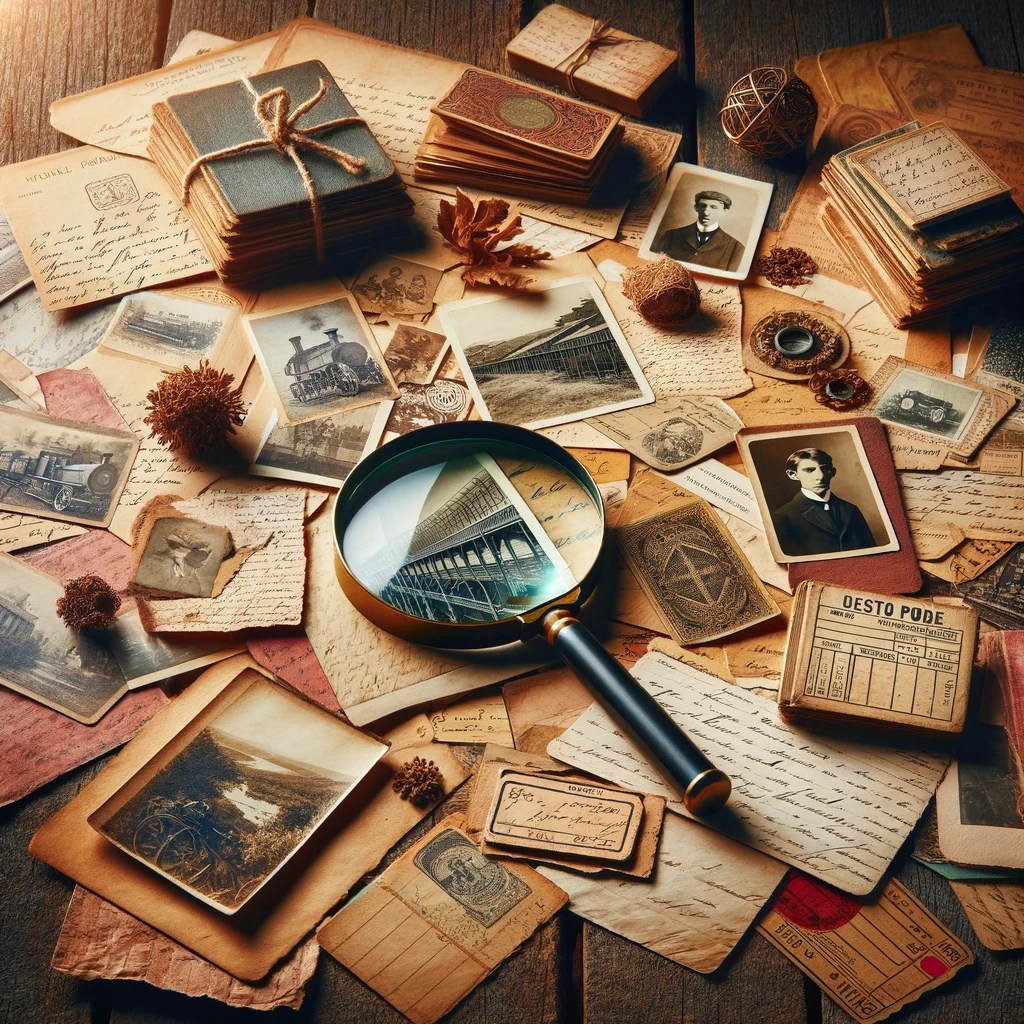
Historical ephemera—those transient documents of everyday life such as letters, postcards, tickets, and advertisements—can provide invaluable insights into the lives of our ancestors. Unlike traditional records like birth certificates or census data, ephemera capture the nuances of daily life and can add color and context to your genealogical research. This blog post explores how to locate, interpret, and use ephemera in your quest to uncover your family history, providing essential tips for both novice and experienced genealogists.
Understanding the Value of Ephemera in Genealogy
Ephemera can offer a unique glimpse into the personal and social aspects of our ancestors’ lives, revealing everything from their travel patterns and leisure activities to their business dealings and community involvement.
Types of Ephemera to Consider
- Personal Correspondence: Letters and postcards can provide insights into personal relationships and major life events.
- Business Documents: Receipts, contracts, and business letters can reveal occupations, economic status, and local interactions.
- Advertisements: These can reflect the environment and era in which ancestors lived, showing popular products, services, and societal norms.
How to Find Historical Ephemera
Start with Family Holdings
Often, the best place to start is within your own home or the homes of relatives where old documents might be stored in attics, basements, or tucked away in old books and albums.
Visit Local Archives and Libraries
- Public Libraries: Many libraries have collections of local ephemera, especially materials related to the area’s history.
- University Archives: These can hold collections donated by alumni and local figures, which might include relevant ephemera.
Online Resources
- eBay and Other Auction Sites: These platforms often have sellers who deal specifically in types of ephemera like postcards, tickets, or old advertisements.
- Digital Libraries and Archives: Websites like Internet Archive and Google Books often digitize a wealth of ephemeral materials.
- Specialized Websites: For instance, The Ephemera Society of America provides resources and connections to networks of people interested in various types of ephemera.
Tips for Using Ephemera in Genealogical Research
Verify Authenticity and Relevance
Always verify the authenticity and relevance of ephemera to your family history. Be cautious about assuming relationships or facts without corroborating evidence.
Contextualize Ephemera Within Broader Historical Events
Understanding the historical context of when and where an item was produced can provide additional insights into its significance.
Digitize and Preserve Ephemera
- Scanning: Ensure that you create high-quality digital copies of all items to preserve their condition and make them easier to share with family or other researchers.
- Storage: Store physical copies in acid-free sleeves and keep them in a cool, dry place to prevent deterioration.
Engaging with the Community
Connect with Other Ephemera Collectors
Join forums, social media groups, or local clubs that focus on collecting and studying ephemera. These communities can offer advice, trade opportunities, and insights that might aid your research.
Share Your Findings
Consider creating a blog or social media page dedicated to the ephemera you collect related to your genealogical research. Sharing stories and images of your findings can help connect with distant relatives or others researching the same geographical areas or families.
Conclusion
The hunt for and study of historical ephemera can add incredible depth to your understanding of your ancestors’ lives. These items, often overlooked or discarded, can illuminate the personalities, relationships, and environments that shaped who your family was and, by extension, who you are today. By carefully collecting, preserving, and analyzing these pieces of the past, you turn ephemera into enduring pieces of your family’s history, enriching your genealogical journey with tangible connections to bygone eras.

 Jackie's Genealogy
Leave a comment