
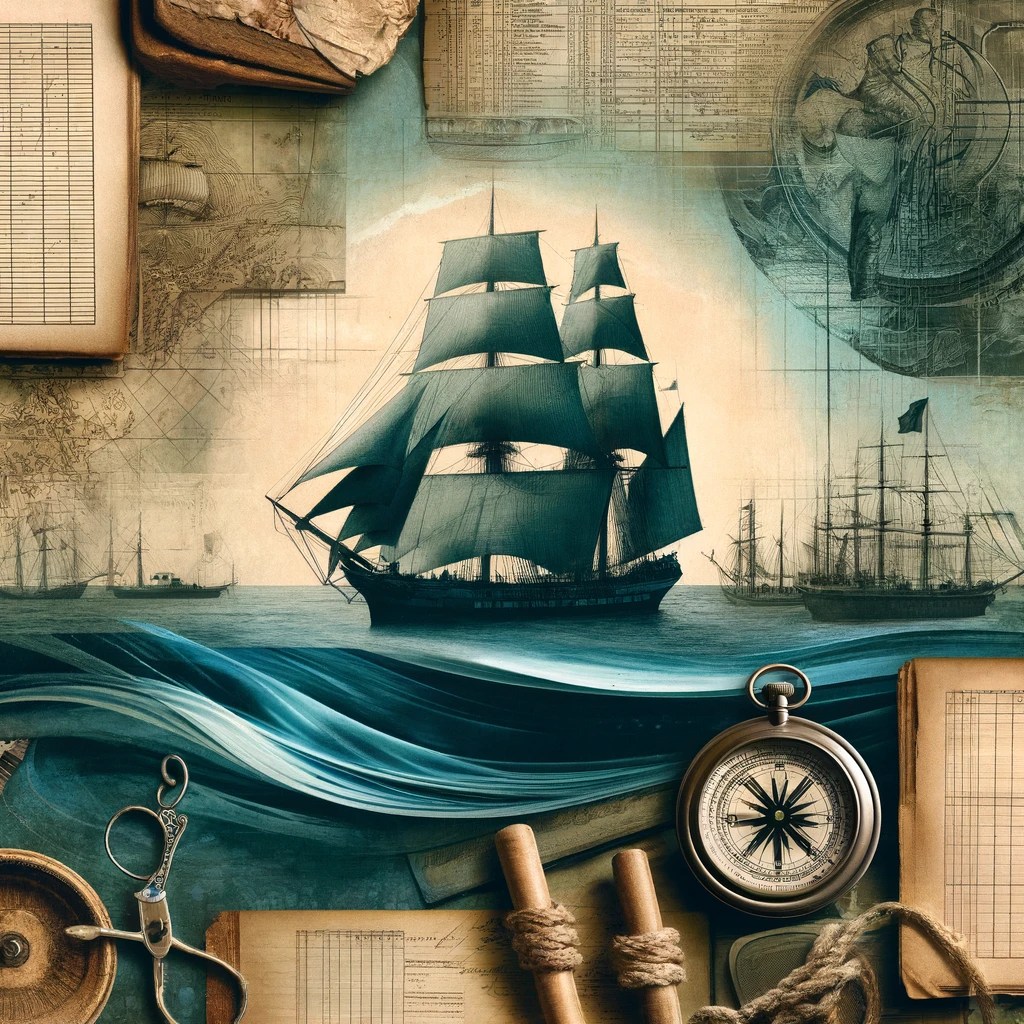
Maritime records hold a treasure trove of information for genealogists seeking to discover the lives of ancestors who may have been sailors, fishermen, shipbuilders, or even passengers on long sea voyages. Exploring these records can uncover unique stories of adventure, migration, and daily life at sea. This detailed blog post provides essential insights, tips, and resources to guide both novice and experienced genealogists through the process of delving into maritime records.
Understanding Maritime Records
Maritime records encompass a variety of documents created by shipping companies, maritime agencies, and government bodies. These records can include crew lists, shipping logs, passenger lists, naval records, and more. They provide details about ship movements, individual roles aboard ships, and sometimes even personal characteristics of seafaring ancestors.
Types of Maritime Records
- Crew Lists and Agreements: These documents list all individuals working on a vessel for a voyage. They can include names, positions, ages, places of birth, and pay.
- Passenger Lists: Records of people aboard ships traveling from one port to another, useful for tracking immigrant ancestors.
- Ship Logs and Journals: Offer insights into daily life at sea and ship routes.
- Marine Births, Marriages, and Deaths: Records of significant life events that occurred at sea.
Key Resources for Maritime Genealogy
Online Archives and Databases
- The National Archives (UK): Offers extensive collections of Royal Navy service records and merchant seamen records (National Archives UK).
- Mystic Seaport Collections Research Center (USA): Provides access to American maritime records, including logs and journals (Mystic Seaport).
- Ancestry.com: Hosts passenger lists and some crew lists for ships entering and leaving ports around the world (Ancestry.com).
Libraries and Maritime Museums
- The Mariners’ Museum and Park Library (USA): Offers a rich collection for researching maritime history, including ship blueprints and photographs (Mariners’ Museum).
- Australian National Maritime Museum: Contains resources for researching Australian naval history and immigration (ANMM).
Tips for Effective Use of Maritime Records
Start with Home Research
Gather information from family records, oral histories, and personal documents that might indicate a connection to maritime professions or stories of migration by sea.
Understand Maritime Terminology
Familiarize yourself with nautical terms and job titles to better understand the records. Websites like Maritime History Archive can provide glossaries and explanations.
Use Secondary Sources
Local historical societies, maritime museums, and books on naval history can provide context that enriches your understanding of the records.
Connecting the Dots
Integrate Findings with Broader Family History
Combine maritime findings with terrestrial records like censuses, wills, and newspapers to paint a fuller picture of your ancestors’ lives.
Look for Patterns
Note patterns of migration and employment among families or communities that might indicate economic or social factors influencing life choices.
Verify Connections
Cross-reference maritime records with other sources to confirm relationships and events. This is crucial where records might be sparse or incomplete.
Sharing Your Discoveries
Document and Share Stories
Compile your findings into a digital or physical scrapbook. Share your maritime heritage stories online through blogs or websites like FamilySearch.
Engage with Others
Participate in online forums and social media groups focused on maritime history and genealogy to gain insights and share your own discoveries.
Exploring maritime records offers a unique window into the past lives of ancestors who lived and worked on the sea. Whether you’re uncovering the journey of an immigrant ancestor who crossed oceans for a new life or tracing the career of a naval officer, maritime records provide both the thrill of discovery and the satisfaction of preserving these unique histories. With careful research, the right tools, and a sense of adventure, genealogists can navigate through these historical records to add depth and context to family stories shaped by the sea.

 Jackie's Genealogy
Leave a comment