
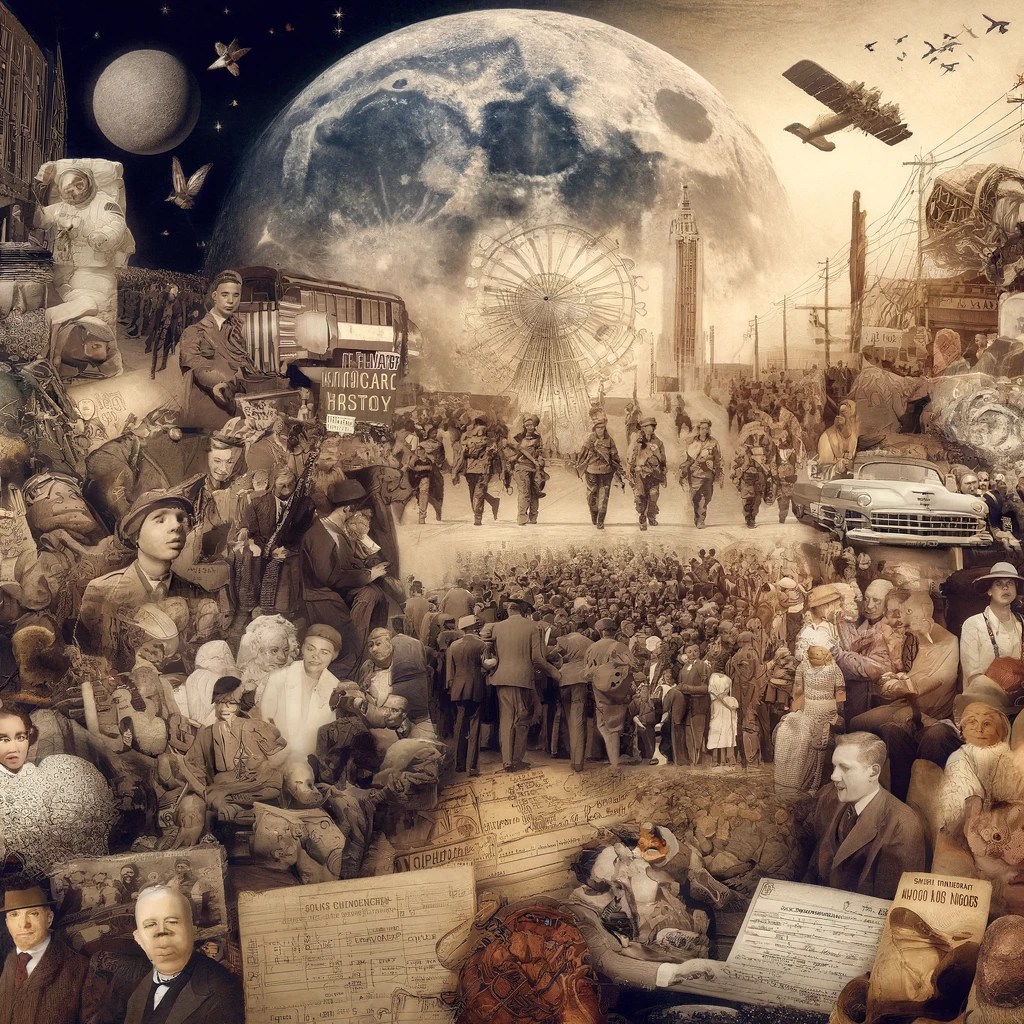
Understanding the broader historical context in which our ancestors lived is crucial for genealogists. Historical events from wars to migrations can profoundly affect family structures, movements, and records. This detailed blog post offers insights, guidance, tips, and resources to help both novice and experienced genealogists delve into how these events shaped their family history, making your research journey more approachable and enriching.
Why Historical Context Matters
Historical events have a direct impact on personal lives and can explain many of the decisions our ancestors made—from migrating to a new country to changing occupations. By placing your ancestors within the correct historical context, you can gain a deeper understanding of their lives and the challenges they faced.
Key Areas of Impact Include:
- Migration Patterns: Wars, economic hardship, and political instability can cause significant shifts in where families lived.
- Military Service: Conflicts can lead to military records that provide details about an ancestor’s service.
- Economic Changes: The Great Depression, industrialization, and other economic shifts can affect employment and living conditions, influencing family dynamics and movements.
Integrating Historical Context into Genealogical Research
Start with a Timeline
Create a timeline of your ancestors’ lives and overlay it with major historical events. This visual aid can help you see how global or local happenings may have intersected with personal milestones like births, marriages, and deaths.
Use Broad and Local Histories
- General History Resources: Websites like BBC History (BBC History) offer articles and timelines for major world events.
- Local Historical Societies: Often have resources about specific events in the area where your ancestors lived. These can be valuable in understanding the local impact of broader events.
Tools and Resources for Historical Research
Online Databases and Archives
- Newspapers.com: Provides access to historical newspapers from around the world, giving insights into daily life and specific events during your ancestors’ lives.
- The National Archives: Offers extensive records that can help you understand the context of events like wars and migrations (Archives.gov).
Books and Documentaries
Utilize your local library or online resources like Google Books to find histories and documentaries that provide background on specific times and places.
Educational Websites
- History.com: Features articles, videos, and timelines that can help provide context for the times your ancestors lived.
- Chronicling America: Hosted by the Library of Congress, this site offers access to historical newspapers that can provide context and firsthand accounts of events (Chronicling America).
Tips for Applying Historical Context
Correlate with Personal Records
Whenever you find a record of an ancestor, consider what was happening locally and globally at that time. This could influence everything from why they moved to why they chose a particular profession.
Connect with Other Researchers
Online forums and genealogy groups can provide additional insights and help you understand the broader historical impacts. Engaging with community histories often shared in these groups can offer valuable perspectives.
Keep an Open Mind
The impact of historical events can vary greatly between individuals and families. Be open to finding that the broader context may not align with personal anecdotes or previously understood family histories.
Conclusion
Incorporating the impact of historical events into your genealogical research enriches your understanding of your family’s past. It provides a more comprehensive picture of your ancestors’ lives and helps explain their choices and movements. With the tools and resources available today, it’s easier than ever to explore these contexts and weave them into your family stories. As you delve deeper into history, remember that each piece of information adds color and depth to your family tree, turning names and dates into rich, vibrant narratives.

 Jackie's Genealogy
Leave a comment