
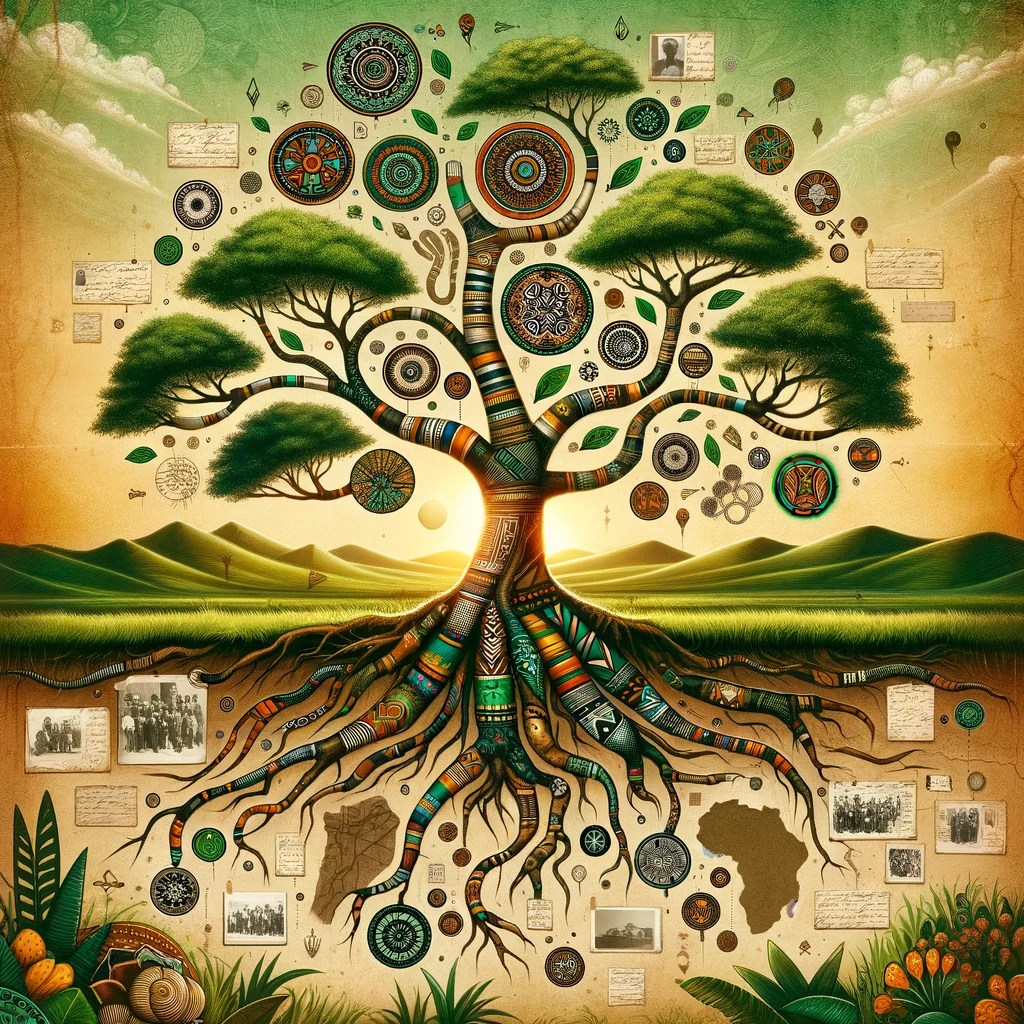
Tracing African American ancestry poses unique challenges due to the tragic legacies of slavery and segregation in the United States. However, the journey to uncover your roots is a powerful act of reclaiming history and honoring the resilience of your ancestors. This blog post provides a guide with insights, guidance, tips, and resources designed to help both novice and experienced genealogists navigate the complexities of African American genealogy.
Understanding the Challenges
The major hurdles in African American genealogical research stem from historical circumstances that limited record-keeping for enslaved individuals and laws that segregated and marginalized African Americans post-emancipation.
Key Challenges Include:
- Scarce Records: Prior to the Emancipation Proclamation in 1863, enslaved individuals were not recognized legally as persons but as property. Consequently, many records only mention them in the context of property transactions without personal identifiers like full names.
- Frequent Name Changes: After emancipation, many African Americans changed their names, making it difficult to trace lineage across generations.
- Segregated Records: Even after slavery ended, systemic racism continued to impact record-keeping, often segregating or omitting records related to the African American community.
Starting Your Research
Begin with Family Knowledge
The first step in tracing your African American roots is to gather as much information as possible from family stories, old photographs, and existing family documents. These personal artifacts are invaluable for building the foundation of your genealogical research.
Utilize Major Genealogical Databases
- Ancestry.com: Offers specialized databases for African American research, including access to the U.S. Federal Census, Freedman’s Bank records, and slave narratives (Ancestry.com).
- FamilySearch: Provides free access to a vast range of records that can be instrumental in African American genealogy, including the Freedmen’s Bureau records (FamilySearch.org).
Digging Deeper: Key Resources and Techniques
Slave Schedules and Plantation Records
Understanding how to navigate slave schedules from the 1850 and 1860 censuses can provide clues about enslaved ancestors. Additionally, researching the history of plantations can sometimes lead to discovering records of transactions that include names and descriptions of enslaved people.
Freedmen’s Bureau Records
The Freedmen’s Bureau was established after the Civil War to assist freed slaves in transitioning to freedom. Their records, which include labor contracts, marriage records, and more, are a gold mine for genealogists and can be accessed via National Archives or through partnerships like the one with FamilySearch.
African American Newspapers
Historical newspapers can offer a wealth of information about the African American community. Websites like Chronicling America host a range of newspapers that can provide insights into the lives and times of ancestors not captured in other records.
Genetic Genealogy
DNA testing has opened new doors for African American genealogy, helping to reconnect with African roots and link scattered family branches. Companies like 23andMe and AncestryDNA offer tests that can trace African lineage and connect you with genetic cousins.
Community and Collaboration
Joining forums and local genealogical societies that focus on African American history can provide support and additional resources. For instance, AfriGeneas is dedicated to African American genealogy, offering a community forum, chats, and guidance for researchers.
Ethical Considerations
When engaging in African American genealogy, it’s crucial to approach sensitive histories with respect and care. Be mindful of the emotional impact your research may have on yourself and others, and consider the broader historical context of your findings.
While African American genealogy is fraught with challenges, the rewards of uncovering your ancestors’ stories are immense. By leveraging both traditional and innovative research methods and resources, you can piece together your family history, honoring the strength and resilience of those who came before. This journey not only enriches your understanding of your heritage but also contributes to the broader narrative of American history.

 Jackie's Genealogy
Leave a comment