
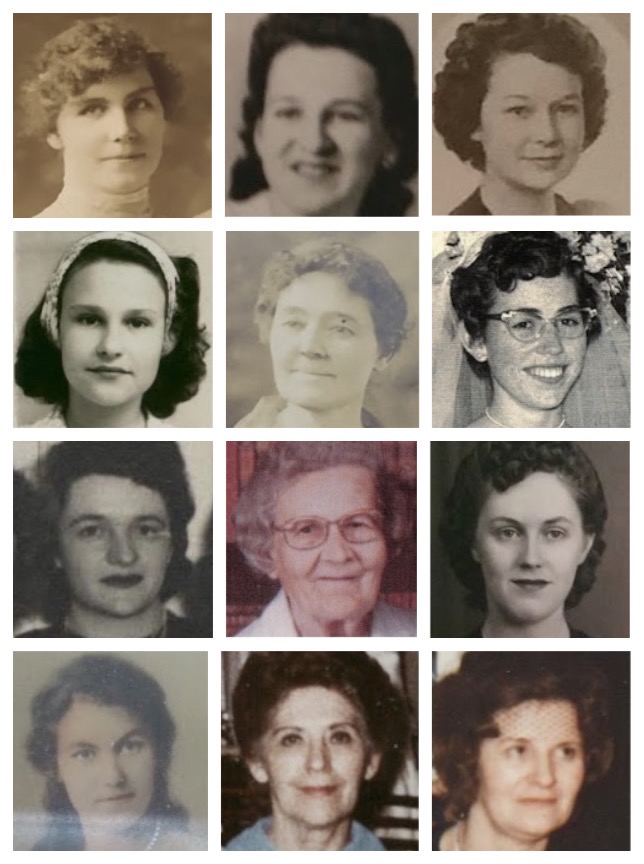
Tracing the lineage and stories of female ancestors presents unique challenges in the field of genealogy. Historically, women’s lives were often less documented than men’s, with many records focusing on the male head of household. Additionally, women frequently changed their surnames upon marriage, and their pre-marriage identities can be obscured in historical records. Despite these obstacles, researching female ancestors is deeply rewarding, offering rich insights into the resilience, contributions, and untold stories of the women who shaped our families. This blog post aims to provide strategies, encouragement, and inspiration for genealogists navigating the complex task of tracing their female lineage.
Understanding the Challenges
Name Changes: Traditionally, women took their husband’s surname upon marriage, making it difficult to trace their lineage back through historical records.
Underrepresentation in Records: Women were often underrepresented in historical records, appearing less frequently in land ownership, voting, and occupational records.
Cultural Variations: Different cultures have varying practices regarding naming, inheritance, and record-keeping, which can affect the availability and type of records for female ancestors.
Strategies for Success
Start with What You Know
Begin with the most recent information available and work backward. Collect details from family stories, photographs, and documents like birth certificates, marriage licenses, and obituaries.
Focus on Marriage Records
Marriage records are crucial for identifying a woman’s maiden name, which is key to further research. Look for marriage licenses, banns, and church records. Don’t overlook newspaper announcements and engagement notices.
Utilize Census Records
Census records can provide a wealth of information about female ancestors, including marital status, number of children, occupation, and literacy. Pay special attention to relationship designations and changes in surname.
Explore Property and Probate Records
While less common, women did own property and were named in wills and probate records, especially as widows. These documents can reveal familial relationships and economic status.
Investigate Children’s Records
Children’s birth, baptism, and death records often include the mother’s maiden name. Tracking the records of all known children can sometimes uncover the mother’s lineage.
Research Sibling and Extended Family Connections
Siblings and extended family members’ records may contain clues about female ancestors. Explore the records of brothers, sisters, and in-laws for mentions of your female ancestor.
Delve into Social History
Understanding the social, cultural, and historical context of the time and place where your female ancestor lived can provide clues to where records might be found. Consider women’s roles, rights, and common practices in that context.
Join Genealogy Forums and Groups
Online forums and local genealogy groups can be excellent resources for advice, strategies, and support from fellow researchers who have faced similar challenges.
Staying Inspired
Celebrate the Women’s Stories You Uncover
Each piece of information adds depth to the story of your female ancestors. Celebrate these discoveries, recognizing the strength and resilience of the women in your family tree.
Share Your Findings
Compile and share the stories of your female ancestors with family members. This not only honors their memory but may also inspire others to contribute information.
Persist in Your Research
Persistence is key in genealogy. New records are digitized and made available regularly, so revisiting dead ends periodically can yield new results.
Researching female ancestors requires patience, creativity, and a willingness to explore non-traditional sources. While the challenges are real, the rewards of uncovering the stories of our foremothers are immeasurable. These women played crucial roles in shaping our families and our history, and their stories deserve to be told. As genealogists, we have the opportunity and responsibility to give voice to these women, ensuring their lives and legacies are remembered and cherished. Let the search for your female ancestors be a journey of discovery, filled with the excitement of piecing together the untold stories of women who have shaped our past and continue to influence our present.

 Jackie's Genealogy
Leave a comment