
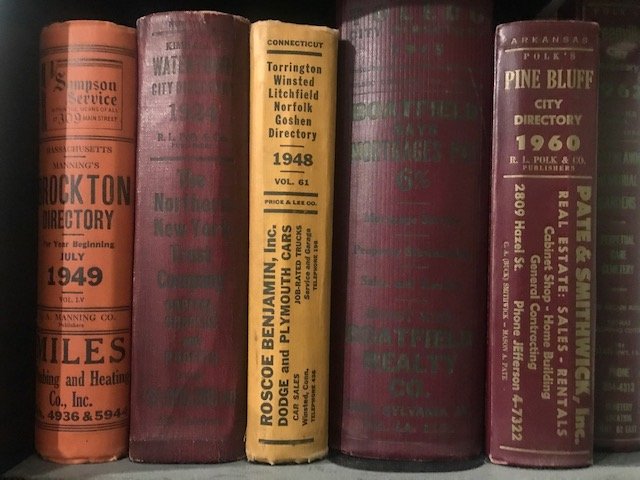
City directories are among the unsung heroes of genealogical research, offering a snapshot of an ancestor’s life within the context of their local community. Before the advent of telephone directories, city directories were published to list residents, their addresses, occupations, and often additional information such as widow status or business ownership. This blog post explores how genealogists, whether novice or experienced, can access and utilize city directories to enrich their family histories with detailed narratives about their ancestors’ lives and movements.
Understanding City Directories
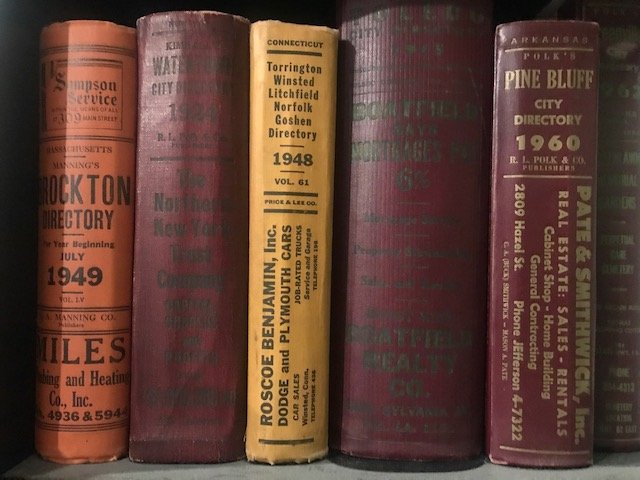
City directories provide a yearly overview of a community, listing its inhabitants, businesses, and institutions. They can reveal where an ancestor lived, their profession, and changes in their life circumstances over time. Unlike census records, which are released every ten years, city directories were often published annually, offering a more detailed timeline of an ancestor’s life.
The Value of City Directories
Residential Information: Track an ancestor’s movements over time within or between cities. Occupational Data: Gain insights into an ancestor’s profession and economic status.
Household Composition: Identify other household members or boarders, which can lead to discovering extended family or important relationships.
Community Context: Learn about the community’s layout, local businesses, churches, schools, and amenities, placing your ancestor within a broader social and historical context.
Accessing City Directories
Online Archives and Databases
Many city directories have been digitized and are available online. Platforms such as Ancestry.com, MyHeritage, and FamilySearch.org host extensive collections of directories from various cities and time periods. The Internet Archive and Google Books also offer free access to scanned directories.
Local Libraries and Historical Societies
Libraries and historical societies often have collections of city directories for their area. Some have digitized their collections, while others may offer physical or microfilm copies for on-site research.
University Archives
University libraries and archives frequently hold city directories, particularly those relevant to their city or region. These can be invaluable resources for researching ancestors who lived in college towns or large metropolitan areas.
Tips for Utilizing City Directories in Genealogical Research
Establish a Timeline
Use city directories to create a detailed timeline of an ancestor’s life, noting changes in address, occupation, and household composition. This can help fill gaps between census years and track movements that might not be documented elsewhere.
Cross-Reference with Other Records
City directories can corroborate information found in census records, vital records, and other documents. They can also provide clues that lead to new discoveries in newspapers, land records, and court documents.
Investigate Neighbors and Nearby Businesses
Examining the neighbors listed near an ancestor’s address can uncover relationships that go beyond mere proximity, such as relatives, business partners, or lifelong friends. Nearby businesses can also indicate an ancestor’s likely place of employment or social activities.
Pay Attention to Abbreviations and Symbols
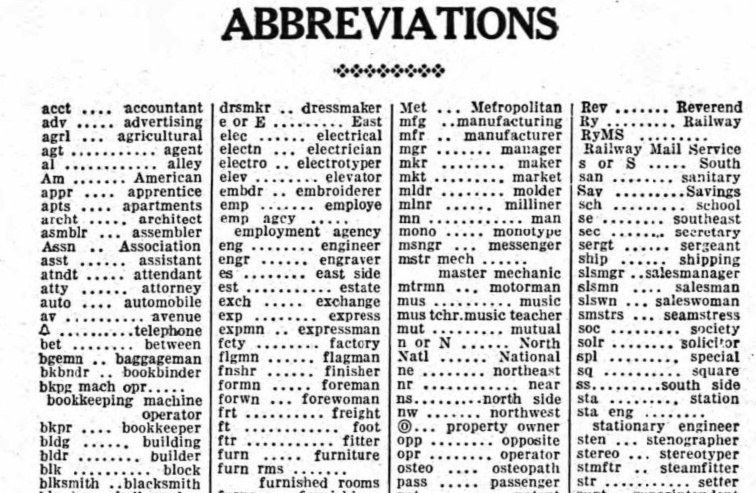
Directories often used abbreviations to save space. Familiarize yourself with common abbreviations used during the time period you’re researching, such as “wid” for widow or “r” for resides. Symbols like asterisks or daggers may indicate additional information about an individual’s status or occupation.
Explore Advertisements
Advertisements in city directories can offer insights into the businesses an ancestor may have owned or frequented, the products and services available during their time, and the economic landscape of their community.
Overcoming Challenges
Researching in city directories can sometimes be challenging due to variations in spelling, abbreviations, and the occasional omission of individuals or addresses. Persistence and creativity in searching—considering alternate spellings, using address searches, and not relying solely on alphabetical listings—can help overcome these hurdles.
City directories are a goldmine for genealogists, offering rich details that bring ancestors’ stories to life. By carefully accessing and analyzing these directories, researchers can add depth to their family histories, uncovering not just the names and dates that define genealogical research, but the stories and communities that shaped their ancestors’ lives. As you delve into city directories, let the pages of the past inspire you to paint a fuller picture of your family’s unique journey through history.

 Jackie's Genealogy
Leave a comment