

School and yearbook records are often underutilized treasures in the realm of genealogical research. While birth, marriage, and death records form the backbone of genealogical data, school records – including yearbooks – offer a unique glimpse into the daily lives and social contexts of our ancestors during their formative years. These records can enrich your family history with personal stories, photographs, and details of academic and extracurricular achievements. This blog post aims to guide and inspire both novice and experienced genealogists on how to leverage school and yearbook records in tracing ancestry.
The Value of School and Yearbook Records
School records and yearbooks capture a snapshot of an ancestor’s youth, providing insights into their personalities, interests, and social circles. Here’s why they are invaluable to genealogists:
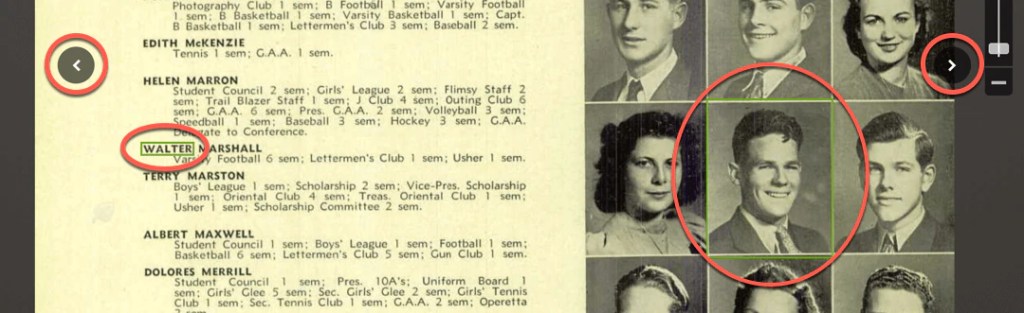
Photographs and Personal Details: Yearbooks often include photographs, quotes, and lists of activities that can reveal an ancestor’s appearance, interests, and friends.
School Records: Attendance registers, report cards, and awards can offer information on an ancestor’s academic life, including achievements and challenges.
Community Context: School records can reflect broader historical and social conditions, such as economic hardships or cultural norms of the time.
Accessing School and Yearbook Records
Online Databases and Archives
Numerous online platforms have digitized collections of yearbooks and school records. Websites like Ancestry.com, MyHeritage, and Classmates.com offer searchable databases of yearbooks from schools across the country. The U.S. School Yearbooks collection on Ancestry.com, for example, includes millions of listings.
Local Libraries and Historical Societies
Many local libraries and historical societies hold archives of school records and yearbooks for the community. These institutions can also provide access to microfilm versions or digital databases not available elsewhere.
School Archives
Some schools maintain their own archives of historical records and yearbooks. Contacting the school directly or visiting their website can yield information on how to access these resources.
Social Media and Networking
Social media platforms and online forums can be surprisingly effective for locating yearbooks. Alumni groups or local history groups often share digital copies of yearbooks or can offer assistance in locating hard copies.
Tips for Using School and Yearbook Records
Identify the Right School
Start by determining which school your ancestor likely attended based on their residence during their school-age years. Census records can help pinpoint locations and potential schools.
Broaden Your Search
If direct searches don’t yield results, broaden your scope. Look for county-wide school records, or consider private and parochial schools in the area if public school records come up empty.
Look for Siblings and Relatives
Exploring records for siblings and close relatives can provide additional context and sometimes even mention or picture your direct ancestor, especially in activities or group photographs.
Pay Attention to Extracurricular Activities
Details about sports, clubs, and other extracurricular activities can offer insights into an ancestor’s interests and personality, enriching the narrative of their youth.
Use Yearbooks as a Springboard
Yearbook entries, particularly for senior years, often mention future plans. These details can provide leads for further research, such as college attendance or military service.
Overcoming Challenges
Access to school and yearbook records can sometimes be restricted due to privacy laws or the condition of the archives. Persistence, creative searching, and reaching out to alumni networks can help overcome these barriers. Additionally, consider broadening your search to include local newspapers for mentions of school events and achievements.

School and yearbook records provide a unique lens through which to view our ancestors’ early lives, adding depth and color to the tapestry of family history. By uncovering details of their academic and social lives, genealogists can construct a more nuanced and personal narrative of their ancestors. As you delve into these records, embrace the journey of discovery, allowing the stories of youth and education to illuminate the past and bring ancestral stories to life in vivid detail.

 Jackie's Genealogy
Leave a comment