
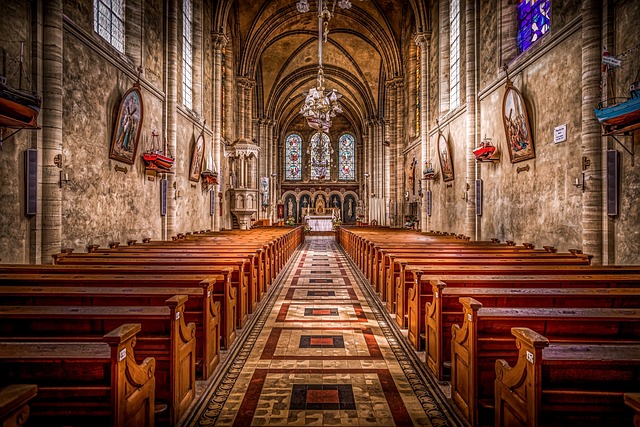
In the quest to trace ancestral lines and flesh out family histories, genealogists often turn to a variety of sources, from vital records to census data. Yet, one of the richest resources for such research—church records—can sometimes be overlooked. These documents, ranging from baptismal registers to burial records, offer a wealth of information that can illuminate the lives of ancestors in a time when official government records were sparse or non-existent. This blog post explores the significance of church records in genealogy, providing insights, guidance, and inspiration for utilizing these precious documents.
Understanding Church Records
Church records, created by religious institutions, document various aspects of congregants’ lives, including baptisms, marriages, funerals, and confirmations. Depending on the denomination and the specific church, records might also include membership lists, minutes of church meetings, and records of communion and other religious rites.
The Value of Church Records
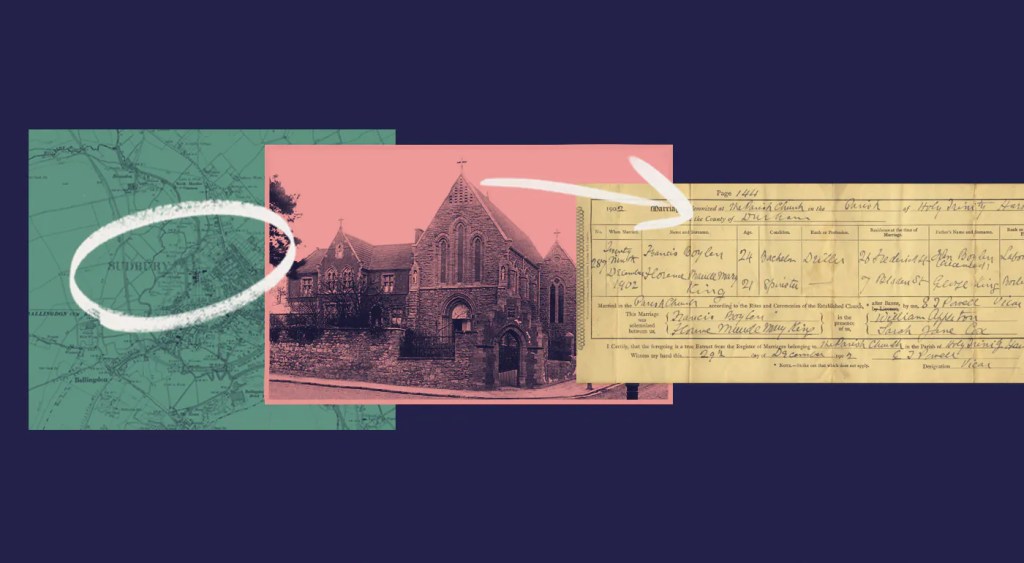
Baptismal Records often include the date of birth, baptism, parents’ names, and sometimes godparents’ names, offering clues to extended family connections.
Marriage Records can provide the names of the bride and groom, their residences, marital status, and the names of witnesses, who may be relatives.
Burial Records may list the date of death and burial, age at death, and sometimes cause of death, adding details not found in civil registration.
Other Records, like confirmation lists and communion records, can help place an ancestor at a specific place and time, building a more detailed picture of their life.
Accessing Church Records
Determine the Denomination
Before you can locate relevant church records, you must first determine your ancestor’s religious affiliation. Clues can be found in family bibles, obituaries, marriage notices, and other documents.
Locate the Church
Once you’ve identified the denomination, you need to find which specific church or parish your ancestors attended. Historical maps, city directories, and local histories can be invaluable in this pursuit, especially in areas with multiple congregations of the same denomination. Most people attend the church of their denomination nearest to where they live. Therefore, using addresses from censuses and city directories can help you identify where their records may be held.
Contacting Churches and Archives
Many church records are still held by the original church or have been moved to denominational archives. Contact these institutions directly. Be very specific about what you are requesting and respectful of their guidelines for accessing records. It shows a measure of good faith to offer to pay for the copies and/or postage of the records being requested.
Online and Digital Archives
An increasing number of church records are being digitized and made available online through platforms like Ancestry, FamilySearch, and regional or national archive websites. These can be excellent starting points for your research.
Tips for Using Church Records in Genealogical Research
Look Beyond the Obvious
While baptism, marriage, and burial records are the most commonly sought, don’t overlook other documents like church censuses, pew rentals, or disciplinary records, which can offer unique insights into your ancestors’ lives.
Consider the Historical Context
Understanding the historical and cultural context of the time and place can provide additional insights into the records. For instance, patterns of immigration, local events, or religious movements can all impact what records were kept and why. For example, if an area had a large immigrant population all of one denomination, there may be a church located near there that others who may live further away would travel to in order to be with friends and others with their same customs and experiences.
Cross-Reference with Civil Records
Whenever possible, corroborate the information found in church records with civil records. This practice can help confirm details and fill in gaps where one or the other may be lacking or inaccurate.
Engage with the Community
Don’t hesitate to reach out to local historical or genealogical societies, or even current church members. These individuals can offer invaluable knowledge about the history of the church and its records.
Church records are a vital resource for genealogists, offering a wealth of information that can bring depth and color to your family history. Whether you’re piecing together the puzzle of your ancestor’s life, seeking to confirm family lore, or trying to break through a genealogical brick wall, these records can provide crucial clues that are not available elsewhere. As you delve into church archives, approach your research with curiosity, respect for the records and their keepers, and an appreciation for the rich historical tapestry they represent. Your ancestors’ stories are waiting to be discovered and preserved for generations to come, and church records can be a key to unlocking those stories.

 Jackie's Genealogy
Leave a comment