
Vital records are the cornerstones of genealogical research, providing the foundational data that helps genealogists trace lineage, confirm relationships, and understand the life events of ancestors. Comprising documents such as birth certificates, marriage licenses, death certificates, and divorce decrees, these records offer not only the basic details of our ancestors’ lives but also often provide pathways to further discoveries. This blog post aims to guide both novice and experienced genealogists on effectively using vital records to uncover the stories of past generations.

Understanding Vital Records
Birth Certificates
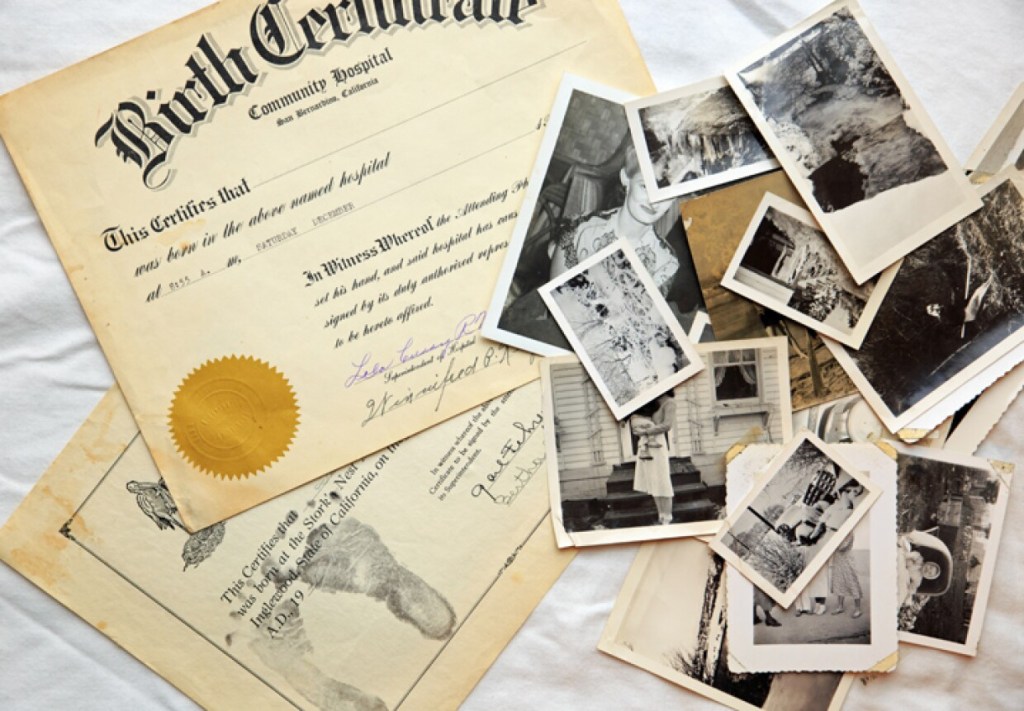
Birth certificates typically provide the date and place of birth, the child’s name, and the parents’ names, including the mother’s maiden name. They may also include information about the parents’ places of birth, occupations, and residence.
Marriage Licenses
Marriage licenses are valuable for confirming family connections and tracing female ancestors, as they often include name changes. They can provide the date and place of marriage, names of the bride and groom, and sometimes the names of their parents or witnesses, which can lead to additional family members.
Death Certificates
Death certificates offer vital information, including the date and place of death, cause of death, burial location, and the names of the spouse, parents, or informant (often a family member), which helps in confirming family relationships and uncovering new leads.
Divorce Decrees
Divorce decrees can reveal not only the end of a marriage but also provide details about the marriage itself, including the names of both parties, marriage date, and place, as well as information about property settlements, custody arrangements, and reasons for the divorce.
Accessing Vital Records
Online Databases
Many vital records have been digitized and are available through online genealogy databases such as Ancestry.com, FamilySearch.org, and MyHeritage. These platforms often provide images of original documents or transcriptions of the information contained within.
State and Local Government Archives
Vital records are typically held by state or local government offices, such as Departments of Health or Vital Statistics, County Clerk’s offices, or local registries. Access policies and availability vary widely, so it’s essential to check the specific requirements and procedures of the relevant office.
Special Collections and Libraries
Libraries and historical societies often have collections of vital records, particularly older documents that predate current governmental record-keeping practices. These institutions can also be valuable resources for accessing indexes and guides to vital records.
Tips for Using Vital Records in Genealogy
Start with Home
Sources Begin your search for vital records among your own or your family’s collections. Family bibles, letters, and personal documents can provide direct information or clues to the existence and location of official records.
Cast a Wide Net
When searching for vital records, consider broadening your search to include alternative sources that might provide similar information, such as church records for baptisms, marriages, and burials, or newspaper archives for birth announcements, marriage notices, and obituaries.
Use the Information to Dig Deeper
Vital records can often lead to other sources. For example, the address listed on a birth certificate might lead you to property records or city directories, while the cause of death might direct you to coroner’s reports or newspaper articles about an accident or illness.
Be Mindful of Privacy Restrictions
Access to recent vital records may be restricted to protect individuals’ privacy. Be prepared to provide proof of your relationship to the individual or a valid reason for requesting the record if you’re seeking documents for close relatives.
Verify and Cross-Check Information
Always verify the information found in vital records with additional sources. Errors and discrepancies are not uncommon, so corroborating details across multiple documents is crucial for accurate genealogical research.
Requesting Vital Records
In-Person Requests
Visit the local government office, archive, or institution where the records are held. This might offer the opportunity to search through indexes or additional records not available online.
Online Databases and Services
Many jurisdictions have digitized their records, making them available through official government websites or genealogy databases like Ancestry.com, FamilySearch.org, or MyHeritage.
Mail Requests
If you cannot visit in person or find the records online, you can often request records by mail. Check the relevant office’s website for forms and instructions.
Fees and Processing Times
Cost
There may be a fee for obtaining official copies of vital records. Fees vary by jurisdiction and the type of record requested.
Processing Time
This can vary widely, from a few days to several weeks, depending on the office and the request method.
Vital records are invaluable resources for genealogists, offering a wealth of information that forms the backbone of family history research. By effectively locating, accessing, and utilizing these records, genealogists can piece together the stories of their ancestors’ lives, uncovering not just names and dates but the rich tapestry of personal experiences, relationships, and historical contexts that define our collective past. As you delve into these records, remember that each document is a piece of a larger puzzle, a step on the journey to understanding your heritage and the legacy of those who came before.

 Jackie's Genealogy
Leave a comment