

In recent years, DNA testing has become an invaluable tool for genealogists, offering insights into genetic heritage, familial connections, and ancestral origins that were previously inaccessible. For both novice and experienced genealogists, understanding the basics of DNA testing can significantly enhance the journey of discovering one’s ancestry. This post aims to demystify DNA testing for genealogy, providing insights, guidance, and inspiration for anyone looking to explore this fascinating aspect of family history research.
What is DNA Testing?
DNA testing for ancestry uses your genetic material to provide information about your ethnic background, identify potential relatives, and offer clues about your ancestors’ migration patterns. Unlike traditional genealogical methods that rely on historical records and documents, DNA testing delves into the genetic code you’ve inherited from your ancestors.
Types of DNA Tests
There are three main types of DNA tests used for genealogy, each examining different parts of your genome and providing various insights into your ancestry.
Autosomal DNA Tests
Autosomal DNA tests are the most popular and comprehensive option. They analyze your autosomes, the 22 pairs of chromosomes not involved in determining sex. These tests can provide an estimate of your ethnic background, identify relatives up to 5th or 6th cousins, and are effective for both men and women.
Mitochondrial DNA (mtDNA) Tests
Mitochondrial DNA tests focus on the DNA passed from mothers to their children, tracing your maternal lineage. Both men and women can take mtDNA tests, but only women pass their mtDNA to their children, allowing it to trace from mother to grandmother and so on . This test can trace your direct maternal line back thousands of years but is less useful for identifying recent relatives.
Y-Chromosome (Y-DNA) Tests
Y-DNA tests analyze the Y chromosome, which is passed from fathers to their sons. This makes it a valuable tool for tracing your direct paternal line through history. Only males have Y chromosomes, so only men can take Y-DNA tests, but women interested in their paternal line can have a male relative take the test on their behalf.
Choosing a DNA Testing Company
Several companies offer DNA testing for ancestry, including AncestryDNA, 23andMe, MyHeritage DNA, and FamilyTreeDNA. Each has its strengths, such as the size of their DNA databases (important for finding matches) and the specific features they offer, like health reports or advanced genealogical tools. Consider what you hope to discover from your DNA test when choosing a company.
Interpreting Your DNA Test Results
Ethnicity Estimates
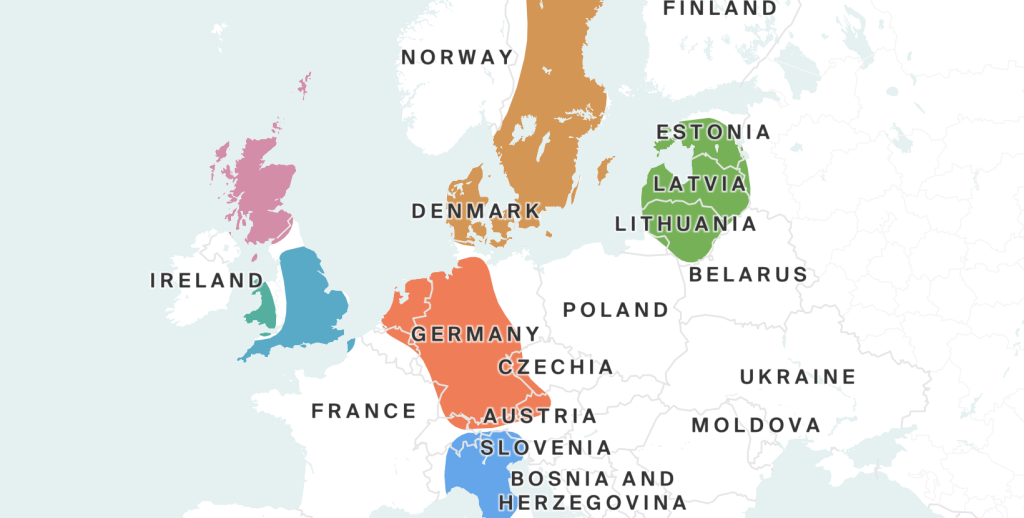
One of the most exciting aspects of DNA testing is receiving an ethnicity estimate, which provides a breakdown of your ancestral background by percentage. While these estimates have improved significantly, they should be viewed as approximations, subject to refinement as databases grow and science advances.
DNA Matches
DNA testing services also connect you with other users who share significant amounts of DNA with you, potentially identifying distant relatives. These matches can be instrumental in expanding your family tree, breaking through genealogical “brick walls,” and finding living relatives.
Ancestral Locations
Some DNA tests can offer insights into the geographical regions where your ancestors lived, which can be particularly enlightening for understanding migration patterns and historical living conditions.
Privacy Considerations

Before taking a DNA test, stop and consider the privacy implications. While there are many benefits to using these services, make sure you know what you are sharing by submitting your DNA. Review the testing company’s privacy policy to understand how your genetic information will be used, who it may be shared with, and how you can control the use of your data.
Using DNA in Conjunction with Traditional Research
DNA testing is most powerful when used alongside traditional genealogical research. Combining DNA evidence with historical documents, records, and family stories can provide a more complete picture of your ancestry, allowing you to confirm relationships and trace your lineage more accurately.
DNA testing for ancestry is a remarkable tool that can uncover the stories woven into your genetic makeup, revealing connections and histories that paper trails alone cannot. By understanding the basics of DNA testing, you’re equipped to embark on this deeply personal and profoundly rewarding aspect of genealogy. Whether you’re confirming family lore, discovering unknown relatives, or exploring your ethnic origins, DNA testing opens up new avenues of exploration in the quest to understand your family’s past.

 Jackie's Genealogy
Leave a comment