

In a world increasingly driven by technology and forward momentum, the act of connecting young generations to their past through genealogy offers a grounding sense of identity and belonging. Introducing children to the rich tapestry of family history not only deepens their understanding of their heritage but also instills values of respect and appreciation for the ancestors who paved the way for their present and future. This comprehensive guide aims to provide insights, guidance, and inspiration for both novice and experienced genealogists on making genealogy engaging and accessible for kids, ensuring a bridge between past, present, and future generations.
Why Introduce Kids to Genealogy?
Exploring genealogy with children cultivates a sense of identity, familiarizes them with family traditions, and provides a personal and impactful history lesson. It sharpens their research skills, enhances their ability to work with various types of information, and fosters curiosity and discovery. This engagement offers profound benefits, including the development of critical thinking and patience, and strengthens family bonds through shared stories and legacies.
Tips for Making Genealogy Engaging for Kids
Start with Stories
Begin with relatable and engaging anecdotes about ancestors, focusing on experiences or interests that connect with children’s lives today.
Create a Visual Family Tree
Use this fun art project as a tangible representation of their ancestry, incorporating creative materials and photos.
Visit Places of Family Significance
Make history come alive by visiting ancestral hometowns, cemeteries, or homes, allowing children to walk in their ancestors’ footsteps.
Use Technology and Apps
Select kid-friendly and secure platforms that make discovering history interactive and fun.
Incorporate Games and Activities
Transform genealogy into a game with scavenger hunts, trivia quizzes, or role-playing activities based on historical periods your ancestors lived through.
Engage in Cultural Practices
Connect with heritage through cultural traditions, foods, and crafts, providing a tangible connection to ancestry.
Celebrate Family History Month
Use October as an opportunity to start or continue family traditions centered around genealogy.
Projects to Engage Kids in Genealogy
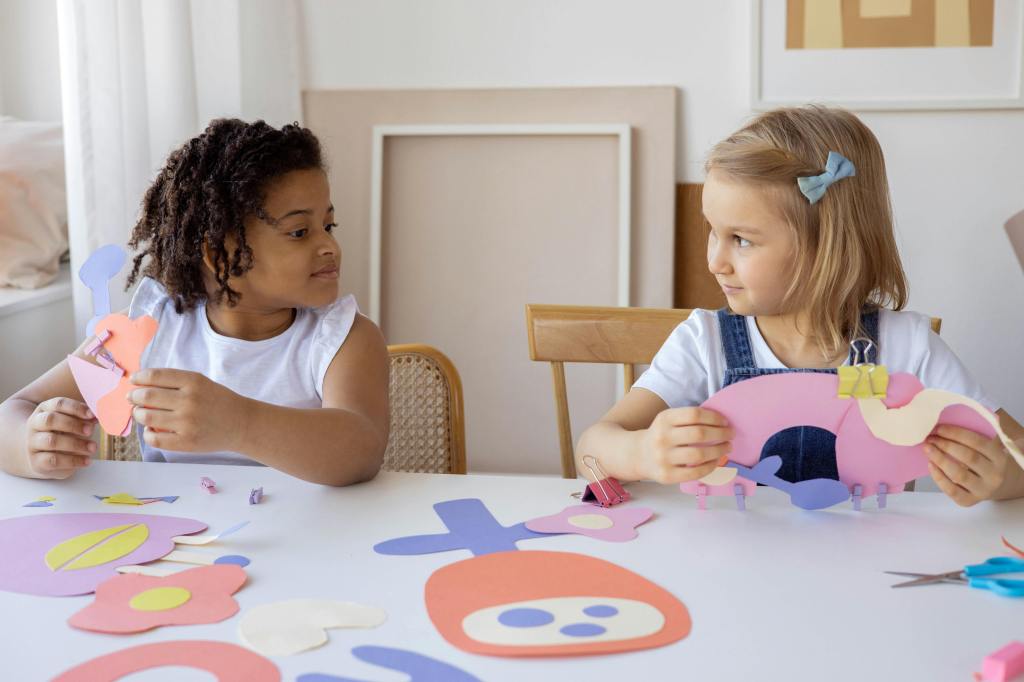
Family Tree Coloring Project
Create a simple, blank family tree template that children can fill in with the names of their immediate family members and ancestors. Provide crayons, markers, or paints for them to color and decorate the tree. This activity helps young children visualize their place within the family and learn the names and relationships of family members.
“My Ancestor” Story Time / Ancestor Biography Project
Encourage children to pick an ancestor, then help them learn a few interesting facts or stories about that person. They can draw a picture of what they think their ancestor looked like and share the story with family or friends during a designated story time. This activity fosters imagination and a personal connection to their ancestry. For older children, encourage them to research and present the life story of an ancestor, fostering a personal connection and understanding. They can write a story or create an electronic presentation.
Heritage Dress-Up Day
Organize a day where children can dress up as their ancestors or in traditional clothing from their cultural heritage. This can be as simple as wearing a hat similar to what an ancestor wore, or as elaborate as a full traditional outfit. Combine this with a little show-and-tell about who they are dressed as and why that person is important to their family history.
Ancestor Postcards
Help children create postcards that might have been sent by their ancestors, imagining the places they lived or traveled to. Provide art supplies for drawing and writing a short message on the postcard. This creative activity allows children to explore historical contexts and consider the experiences of their ancestors.
Memory Box
Create a memory box with the child where they can keep special items related to their family history, such as photos, letters, or small heirlooms. Decorate the box together and discuss the significance of each item placed inside. This project helps children understand the value of preserving memories and creates a tangible connection to their ancestors.
Family Story Illustrated Book
Work with the child to write a short story about an interesting event in their family’s history, then illustrate it together. This can be done with simple drawings, collage, or even digital art for a more modern twist. Bind the pages together to create a personalized family storybook that they can cherish and share.
Genealogy Quest Board Game
Create a board game where players move around the board by answering questions about family history or completing mini-research tasks. Design the game with spaces that include “Interview a family member,” “Find a birth record,” or “Share a story about an ancestor.” This interactive approach makes learning about family history fun and engaging.
Ancestral Homelands Map
Work with children to create a map that highlights the countries or regions their ancestors came from. Use colors, flags, and icons to mark different areas, and attach photos or brief descriptions of the ancestors from each place. This visual project helps children understand their diverse heritage and the global journey of their family.
Digital Time Capsule
Leverage technology by creating a digital time capsule that includes family photos, video interviews with family members, digital copies of important documents, and a family tree. Choose a future date for the capsule to be “opened,” and use a website or digital storage service to preserve these memories. This project can be revisited and added to over time, creating a living document of family history.
Heritage Recipe Book
Compile a recipe book of dishes that have been passed down through the family or are significant to your family’s cultural heritage. Involve children in cooking these recipes with older family members, and document the process with photos and stories about the recipe’s origins and meaning. This delicious project connects children to their heritage through the universal language of food.
Family Recipe Cooking Day
Choose a simple recipe that has been passed down in the family or is part of your cultural heritage. Spend a day cooking or baking this recipe with the children, telling them about its origins and significance. This hands-on activity is not only a fun way to spend time together but also teaches children about their cultural background through food.
Family History Detective Case Files
Set up “case files” for children to solve mysteries about their ancestors. Each case can involve a research task, like discovering the meaning behind a family surname, finding the oldest known ancestor, or understanding an ancestor’s occupation. Provide clues and resources to help them solve these cases, turning genealogy research into an exciting detective game.
Cultural Heritage Crafts
Identify crafts or artistic traditions from your family’s cultural background and engage children in creating their own versions. Whether it’s Irish lace, Native American beadwork, African masks, or Japanese origami, this project allows children to connect with their ancestry through creativity and art.
Genealogy Video Project
Encourage children to create a short documentary or video presentation about their family history. They can include interviews with family members, narrated stories about ancestors, and tours of significant family locations. This project helps children learn technical skills while documenting family stories in a dynamic format.
Lots of additional great activities and ideas can be found online, through sites like Pinterest.
Introducing genealogy to children is not merely about dates and names; it’s a vibrant journey into the past that enriches the present and informs the future. By making genealogy engaging and accessible, we can ignite a lifelong interest in family history and heritage. The goal is to not only teach children where they come from but to inspire them to carry forward the legacy of their ancestors with pride and curiosity. In doing so, we bridge the gap between generations, fostering a deep sense of identity, belonging, and appreciation for the journey that led to their existence. Let’s embark on this fascinating journey together, making every discovery a step towards a more connected and grounded future.

 Jackie's Genealogy
Leave a comment